
The crypto cards worth your money in 2026, ranked and reviewed
 Available in US
A crypto card lets you spend digital assets at the point of sale or online, the same way you’d tap a bank-issued debit or credit card. Some are prepaid and draw on a stored balance, others spend directly from a self-custody wallet, and a few let you borrow against your holdings. The differences between them are not subtle: where you can get one, what it costs to run, which tokens you can fund it with, and how reliably it works day to day. This page ranks 25 of the most relevant cards on five criteria and walks through who each one is for, what it costs, and where the catches are. Whether you’re a Solana user spending stablecoins, an EEA resident looking for a zero-fee debit card, or someone outside the traditional banking system who needs a virtual Visa, the answers are below.
The information is current as of October 28, 2026.
Verdict: the best crypto cards and who each one suits
If you only have a minute, here are the top picks by what matters most. Each card is scored out of 10, with five criteria weighted as follows: who can get it 25%, cost 25%, top-up options 15%, reliability and complaints 20%, everyday use 15%.
Quick picks by category
- Lowest costs: Bleap (cost score 9/10)
- Best top-up options: Tria (funding score 9/10)
- Most reliable: Bitrefill (reliability score 9/10)
- Best for everyday use: Bleap (convenience score 9/10)
- Easiest to get: Xplace (availability score 9/10)
The top crypto cards in order
| Rank | Card | Score | Who it suits |
|---|---|---|---|
| 1 | Xplace | 7.7 / 10 | Solana users wanting stablecoin spending or credit |
| 2 | Bleap | 7.5 / 10 | EEA residents who want a zero-fee card with cashback |
| 3 | Tria | 7.3 / 10 | Holders of many tokens wanting tiered Visa |
| 4 | MetaMask | 7.1 / 10 | Self-custody wallet users in Europe and Latin America |
| 5 | Zebec | 7.1 / 10 | Users funding a card from 180+ tokens |
| 6 | Crypto.com | 7.0 / 10 | Residents of Europe and Singapore who want tiered crypto rewards |
| 7 | RedotPay | 6.9 / 10 | Crypto holders outside the restricted list who want virtual or plastic |
| 8 | Bitget | 6.8 / 10 | Self-custody wallet users who spend USDT and USDC |
| 9 | Bitrefill | 6.8 / 10 | EU residents who spend crypto and Lightning in euros |
| 10 | Rizon | 6.7 / 10 | Holders of Latin American or Asian passports |
| 11 | Wirex | 6.7 / 10 | Europe-based users who want one account for fiat and crypto |
| 12 | Bitpanda | 6.5 / 10 | Euro-area residents who spend crypto and metals in euros |
| 13 | COCA | 6.4 / 10 | Stablecoin holders who want high cashback on subscriptions |
| 14 | Coinbase | 6.4 / 10 | US residents who spend crypto and earn rewards |
| 15 | Kolo | 6.4 / 10 | Funding a virtual card with any crypto across many networks |
| 16 | Nexo | 6.3 / 10 | Europeans holding large crypto balances who want cashback |
| 17 | OKX | 6.2 / 10 | EU users holding USDC or USDG |
| 18 | SafePal | 6.2 / 10 | SafePal owners wanting a Swiss IBAN |
| 19 | Solayer | 6.2 / 10 | Stablecoin holders on Solana outside restricted countries |
| 20 | Avici | 6.1 / 10 | Residents of Latin America and the UAE holding USDC |
| 21 | KAST | 6.1 / 10 | Stablecoin holders spending USD balances across many networks |
| 22 | UPay | 6.1 / 10 | Wallet users topping up with BTC, ETH, USDT |
| 23 | Zeal | 6.1 / 10 | Self-custody wallet users spending EUR, USD, GBP stablecoins |
| 24 | Bybit | 6.0 / 10 | Exchange users in Georgia, Kazakhstan, Australia and Latin America |
| 25 | Kemy | 6.0 / 10 | Users needing many virtual cards on one account |
The top cards reviewed in detail
Xplace — 7.7 / 10
Who it suits: Solana users wanting stablecoin spending or credit.
Xplace tops the ranking largely because it is the easiest card to get on this list. The official site does not publish a full country list, but Visa acceptance covers 160+ countries, and unofficial sources say 162 countries are accessible while 34 are explicitly closed, including Russia and India. The card runs on Visa and is available in both virtual (instant) and physical form; the Silver physical card is live, while Gold and Platinum tiers are marked as coming soon. Delivery takes 7–14 business days.
The cost structure has four tiers: Basic is free, Silver is $99/year, Gold is $249/year, and Platinum is $999/year. The card terms list 0% foreign exchange fee, 0% cross-border fee, and 0% foreign transaction fee, though the page itself highlights “0% FX on Platinum.” Unofficial sources cite a Silver FX rate of 0.5% and Gold 0.25%. There is no cash withdrawal option at all; the card terms explicitly state “Cash advances and balance transfers are not available under these Card Terms.”
For top-up, you can deposit BTC (cbBTC), ETH (wETH), SOL, JitoSOL, USDC, USDT, and xStocks on the Solana network. Apple Pay and Google Pay are built in natively. Cashback runs by tier in Credit mode: Basic 0.5%, Silver 1%, Gold 1.5%, Platinum 2%, paid in USDC to the wallet at settlement; Cash-mode cashback is not stated. The operator is Pontech Group L.L.C-FZ in Dubai, with the card issued by Third National under a Signify Holdings programme. Trustpilot scores 4.1 out of 5 from 56 reviews, but complaints mention hidden fees and slow support.
Per-transaction limits are Silver $3,000, Gold $10,000, and Platinum $25,000 (unofficial). Blocked merchant categories include explosives, small arms, wire transfers, pawn shops, gambling and lotteries, money transfer services, escort and massage services, and political, labour, and religious organisations; named merchants blocked include eToro, Skrill, Neteller, Wish.com, MoonPay, and Wise.
Bleap — 7.5 / 10
Who it suits: EEA residents who want a zero-fee card with cashback.
Bleap earns high marks for cost and convenience. It is available to residents of the EEA and Latin America (Mexico and Brazil are live, with more “coming soon”); unofficial sources list 31 countries and require residence in the EEA or Switzerland. The card is a Mastercard debit, available as virtual (instant) and physical, with fiat balances in EUR and USD held as EURe and USDC.
There is no issuance, monthly, maintenance, subscription, or minimum balance fee. FX markup on international transactions is 0%, and bank-transfer top-ups convert with no Bleap fee. External-wallet tokens on Solana, Base, or Arbitrum can be converted in one tap with no fees. Free ATM withdrawals are capped at EUR 400 per month, though the card page also says “free withdrawals worldwide” without a cap, a contradiction. Above the cap, fees are not stated. Unofficial sources note the cap is three withdrawals and EUR 400 total per rolling month, with possible ATM operator surcharges.
Top-up options include bank transfer in EUR or USD (held as EURe/USDC at 1:1), other currencies converted to USDC, and external crypto wallet tokens on Solana, Base, or Arbitrum. Apple Pay and Google Pay are supported on the virtual card. Cashback runs up to 20% in USDC: 20% on streaming, gaming, and AI subscriptions; 3% on rides and food delivery; 2% on restaurants and supermarkets; 1% on everything else, paid after the merchant confirms; caps and conditions are in the cashback terms.
Bleap SIA operates from Latvia with a MiCA CASP licence from Latvijas Banka. The card issuer is Unlimit (unofficial). Trustpilot scores 3.5 out of 5 from 72 reviews, with complaints about support taking 2–3 weeks and account blocks.
Tria — 7.3 / 10
Who it suits: Holders of many tokens wanting tiered Visa.
Tria’s standout feature is its breadth of accepted tokens: 1,000+ tokens across networks including Bitcoin, Ethereum, Polygon, Base, Arbitrum, Optimism, BSC, Aptos, and Solana. USDC and USDT are accepted via L2 chains and Solana. Minimum top-ups are $50 for BTC and $10 for other tokens.
Eligibility is by country of residence; the app dropdown lists 200+ regions (examples include Australia, Canada, Germany, Hong Kong, UAE, UK, and US). Documents must match the chosen country, and you must be physically there. Selecting an unlisted country fails KYC. Citizenship is not addressed. Only one account per person, and physical shipping is only “once shipping is officially enabled” for the country.
Costs run across three tiers: Lite is free (officially $0, though unofficial sources say $20/year), Pro is $109/year (promotional $90 first year), and Max is $250/year (promotional $225 first year). The card terms list zero Tria FX fee, but unofficial sources cite 4% (3% FX plus 1% international). Tria says travel-related fees stay under 1%. ATM withdrawals on Pro and Max cost $1.00 plus 1% of the amount, with a $750-per-transaction limit and 3 withdrawals per 24 hours; Lite has no ATM.
The card is a Visa: Lite is digital only, Pro is plastic (PVC), and Max is metal; Pro and Max include a Lite. Apple Pay and Google Pay are available where supported. Cashback scales by tier (Lite basic, Pro higher, Max highest), shown in the app. Unofficial sources say Lite earns 1.5% cashback in USDC or USDT on the first $1,000 of spend per month, paid quarterly in batches within 12 months at the latest; unpaid cashback is forfeited on account closure. Pro and Max rates were not found.
The operator and issuer are not named officially; unofficial sources name Nimbus, LLC. Trustpilot has only 2 reviews with a 3.4 score, one of which questions the company’s legitimacy.
MetaMask — 7.1 / 10
Who it suits: Self-custody wallet users in Europe and Latin America.
MetaMask Card spends directly from your connected self-custody wallet across Linea, Base, Monad, and Solana. Supported tokens include mUSD, wETH, EURe, GBPe, USDC, and USDT (the page says nine total). Note that Solana-only wallets cannot withdraw credit.
Sign-up is open in 45 listed countries and territories, with proof of residency required; other regions join a waitlist. US and UK sign-ups are temporarily closed per the FAQ. The full list includes Andorra, Argentina, Austria, Belgium, Brazil, Bulgaria, Canada, Chile, Colombia, Costa Rica, Croatia, Cyprus, Denmark, Dominican Republic, El Salvador, Finland, France, Germany, Gibraltar, Greece, Guatemala, Guernsey, Hungary, Iceland, Ireland, Isle of Man, Italy, Jersey, Liechtenstein, Luxembourg, Malta, Mexico, Monaco, Netherlands, Norway, Panama, Poland, Portugal, Romania, Slovakia, Slovenia, Spain, Sweden, Switzerland, and Uruguay. Russia, Belarus, and Turkey are not on the list. “Ineligible regions limit sign-ups, not spending.”
The card is a Mastercard issued by Monavate, with Crypto Life as the card provider. Virtual card is instant; Metal can be pre-ordered after Virtual approval; one card per user. The Virtual card is free, with no annual or maintenance fee. Metal is $199/year. Each transaction carries a “minimal fee” (amount not stated on the pages read), with “no additional MetaMask fees” and no foreign transaction fee; the Mastercard rate is used.
ATM withdrawals are available with limits of $1,000/day (Virtual) and $5,000/day (Metal). An older FAQ version says ATM is only for Metal and US Virtual users, which conflicts with the current ATM limits. Free ATM allowance is “up to $1,200/mo” (tier unclear). Apple Pay and Google Pay are supported.
Cashback is paid in mUSD into the Money Account: Virtual 1%; Metal headline 3%, though the footnote limits 3% to the first $10,000 spent then drops to 1%. A $FLY bonus offers 5X (Virtual) or 7X (Metal) via the Blackbird dining app. Complaints mention refunds being paid in “Credits,” stuck support tickets, and frozen cards; unofficial sources report physical cards arriving after a month.
Zebec — 7.1 / 10
Who it suits: Users funding a card from 180+ tokens.
Zebec offers three tiers, all Mastercard prepaid: Silver (single-use, new card number each issuance, USD/EUR/GBP), Carbon (reloadable, same number, USD/EUR/GBP), and Black (premium reloadable, USD). Apple Pay and Google Pay are available on all tiers.
Eligibility is by country of residence. Silver USD: US, Canada, Puerto Rico, USVI, Guam, American Samoa, Northern Mariana Islands. Silver/Carbon GBP: UK, Gibraltar, Guernsey, Isle of Man, Jersey. Silver/Carbon EUR: EU states except Malta. Carbon USD International: 90+ approved countries outside the US/Canada (e.g., Japan, Singapore, Brazil, Kenya, Uruguay). Black: global subject to sanctions. Cards “cannot be used” in a compliance list that includes the Russian Federation and Belarus, also Iran, Cuba, Syria, and North Korea; the restriction is on use location.
Silver has no sign-up or transaction fees. Carbon is no-fee as a promotion, subject to change. Black has activation, top-up, and monthly fees (amounts not stated). Variable FX fees may apply; crypto conversion rates vary by token. Funding is from the Zebec wallet, which supports 180+ tokens across 21+ blockchains; specific coins are not listed. No cashback is stated, but staking $ZBCN earns “extra rewards” (rate not stated). The issuer and BIN sponsor are not named, and the legal entity is not disclosed. Complaints or reviews were not found; CryptoCardHub gives 3.3. The Black page shows “offline for upgrades.” Unofficial sources describe cards as virtual, with physical planned or not widely distributed.
Crypto.com — 7.0 / 10
Who it suits: Residents of Europe and Singapore who want tiered crypto rewards.
Crypto.com issues prepaid Visa cards in several regions: US (Community Federal Savings Bank), Europe (Foris MT Limited), Singapore (Foris Asia), Canada (Digital Commerce Bank), Australia (Foris GFS Australia), UK (ForisGFS UK), and Brazil (USD card, Foris MT, for use outside Brazil). The European help article (as of 20 July 2026) lists 31 countries: Austria, Belgium, Bulgaria, Croatia, Cyprus, Czech Republic, Denmark, Estonia, Finland, France, Germany, Greece, Hungary, Iceland, Ireland, Italy, Latvia, Lithuania, Luxembourg, Malta, Netherlands, Norway, Poland, Portugal, Romania, Slovakia, Slovenia, Spain, Sweden, Switzerland, and the UK. The rule is by residential address; citizenship is not stated.
Subscription tiers are tied to CRO lockup: Free; $4.99/month or $49.90/year or $500 lockup; $29.99/month or $299.90/year or $5,000 lockup; plus $50,000 and $500,000 lockup tiers. In Europe, physical card issuance costs EUR 4.99 (Midnight) or EUR 24.99 (Ruby), replacement EUR 45.01/50, closure EUR 50, inactivity EUR 5 (EUR 6 from 1 October 2026). Card top-up is 1%, ATM 2% above the monthly free amount, and FX varies by tier. Crypto cannot be loaded directly; it is converted to local currency first.
ATM limits by tier: Free $200/$5,000; $4.99 tier $400/$10,000; $29.99 tier $800/$10,000; $50,000 and $500,000 tiers $1,000/$10,000. Europe limits are EUR 2,000 daily, EUR 10,000 monthly, EUR 75,000 yearly; 3 daily, 30 monthly, 360 yearly withdrawals.
CRO rewards are paid in CRO token to the Crypto Wallet after each eligible transaction. Everyday spend per tier (main table): Midnight Blue 0%; Ruby Steel 1.5% up to USD 750/month; Jade Green/Royal Indigo 2.5% up to USD 1,500/month; Icy White/Rose Gold 3.5% up to USD 3,000/month then 0.5%; Obsidian 4.5% up to USD 5,000/month then 1%. Travel bookings earn up to 5/20/25/30/40% by tier. Certain merchant categories and channels are excluded. Trustpilot scores 2.0/5 from 9,493 reviews, mostly about the app and exchange, with 72% one-star ratings. Unofficial sources confirm Apple Pay, Google Pay, and Samsung Pay, with availability varying by region; virtual cards are available immediately on approval.
RedotPay — 6.9 / 10
Who it suits: Crypto holders outside the restricted list who want virtual or plastic.
RedotPay offers virtual and physical cards. The virtual card application costs USD 10.00, and the physical card application costs USD 100.00, non-cancellable and non-refundable once paid. Virtual replacement is USD 5.00 for the first, then USD 10.00 each later. Account maintenance is waived (no monthly or annual fee, no inactivity fee). A paid tier, RedotPay Pro, costs USD 12.90 monthly or USD 129.00 annually. A USD 5 welcome reward is usable only on spending, valid for 30 days.
There are two official lists wording the eligibility rule differently. The KYC list (“Unsupported Countries/Regions”) states that citizens of listed countries cannot complete identity verification or use RedotPay’s services; restrictions are “based on local regulations and sanction policies—not on individuals.” The list includes Afghanistan, Albania, Belarus, Bosnia and Herzegovina, Bouvet Island, Burkina Faso, Burundi, Central African Republic, Congo (DR), Croatia, Cuba, Eritrea, Ethiopia, Guinea-Bissau, Haiti, Iran, Iraq, Kosovo, Lebanon, Liberia, Libya, Mainland China, Mali, Montenegro, Myanmar, Netherlands Antilles, Nicaragua, North Korea, North Macedonia, Russia, Serbia, Slovenia, Somalia, South Sudan, Sudan, Syria, Ukraine, United States, Venezuela, Yemen, and Zimbabwe. The card-issuance list (dated 28 August 2026, 47 places) adds India, Indonesia, Morocco, Nepal, Singapore, and Turkey, noting that residents of these areas are ineligible for both virtual and physical cards and cannot be billing addresses; citizenship is not mentioned. Russia, Belarus, Ukraine, and Serbia appear on both lists. Georgia, Armenia, Kazakhstan, and UAE are on neither.
The card network is Visa debit in the Singapore terms; the card page only says “leading card networks.” Card currencies are USD card (USD BIN) and HKD card (HKB BIN). Transaction fee is 1.00% (the crypto conversion fee); default-currency transactions are waived; non-default currency is 1.20%. Small-authorisation transactions (USD 1.00 or less) are free for the first 5 per card per month, then USD 0.20; declined transactions are free for the first 3 per month, then USD 0.50. Some merchants carry 1.5% (min USD 0.50), first 3 per month waived: Gulf Health Counsel, Free Fire, PUBG Mobile, Brawl Stars, eFootball, Facebook Ads, and Discord. Fee table effective 1 December 2025.
ATM: HKD card 2.00%; USD card 2% while monthly ATM withdrawals are USD 10,000 or less, 3% above. Top-up is via on-chain crypto deposit or buying crypto with a credit card in the app (ETH, USDC, USDT; depends on region). USDT-TRC20 minimum deposit is 1 USDT after network fees; each asset is accepted only on the networks shown on the Deposit page. Deposit to card balance is free. Apple Pay and Google Pay are integrated for the virtual card. The issuer is not named (BIN Sponsor); the programme manager is Redotpay Technology Pte. Ltd. Trustpilot has 778 reviews, with complaints about freezes over KYC and source-of-funds issues. The service claims 9 million+ users.
The best crypto cards for specific tasks
Best crypto cards you can fund with USDT
- Xplace — 7.7 / 10 — Deposit BTC (cbBTC), ETH (wETH), SOL, JitoSOL, USDC, USDT, and xStocks on the Solana network.
- Tria — 7.3 / 10 — 1,000+ tokens from the Tria wallet or supported external wallets. Minimums: BTC $50, all other tokens $10. Networks include Bitcoin, Ethereum, Polygon, Base, Arbitrum, Optimism, BSC, Aptos, and Solana. Most chains are gasless; Solana needs native SOL for fees; Tron network fees are charged in TRX. Typically instant, up to 2–4 hours in congestion. No direct Tria service fee on deposits; a “Provider Fee” is shown in the app before confirming.
- MetaMask — 7.1 / 10 — Spends directly from the connected wallet on Linea, Base, Monad, and Solana. Supported tokens include mUSD, wETH, EURe, GBPe, USDC, and USDT. Solana-only wallets cannot withdraw credit.
Best crypto cards with Apple Pay or Google Pay
- Xplace — 7.7 / 10 — Apple Pay and Google Pay are native.
- Bleap — 7.5 / 10 — Apple Pay and Google Pay on the virtual card.
- Tria — 7.3 / 10 — Can link to Apple Pay and Google Pay where supported.
Best crypto cards with cashback
- Bleap — 7.5 / 10 — Up to 20% in USDC: 20% on streaming, gaming, and AI subscriptions; 3% on rides and food delivery; 2% on restaurants and supermarkets; 1% on everything else, paid after merchant confirms.
- MetaMask — 7.1 / 10 — Virtual 1%; Metal headline 3% (footnote limits 3% to the first $10,000 then drops to 1%), plus $FLY bonus 5X (Virtual) or 7X (Metal) via Blackbird dining.
- Crypto.com — 7.0 / 10 — CRO rewards paid in CRO token: Midnight Blue 0%; Ruby Steel 1.5% up to USD 750/month; Jade Green/Royal Indigo 2.5% up to USD 1,500/month; Icy White/Rose Gold 3.5% up to USD 3,000/month then 0.5%; Obsidian 4.5% up to USD 5,000/month then 1%. Travel bookings up to 5/20/25/30/40%.
Best virtual crypto cards for online payments and subscriptions
- Zebec — 7.1 / 10 — Mastercard prepaid; Silver is single-use (new card number each issuance), Carbon is reloadable, Black is premium reloadable; all available in USD/EUR/GBP.
- Crypto.com — 7.0 / 10 — Prepaid Visa, must be topped up; virtual card available immediately on approval (unofficial).
- RedotPay — 6.9 / 10 — Virtual and physical, with Apple Pay and Google Pay on the virtual card; on-chain crypto deposit or credit-card purchase of ETH, USDC, USDT.
How to choose a crypto card that fits your situation
Choosing a crypto card starts with the countries it is issued in. Most cards have an official or unofficial list of supported countries, and the rule can be based on residence, citizenship, or both. Xplace has the broadest availability (160+ Visa-accepting countries, unofficial 162 accessible). Bleap and MetaMask require EEA or Switzerland residence. Tria accepts 200+ regions by residence. RedotPay has two separate lists (KYC and card-issuance) with different rules. Solayer explicitly excludes most of the EU, UK, and Switzerland.
Once you know you can get a card, look at cost. Bleap is the only card on the list with no issuance, monthly, or maintenance fee, plus 0% FX. Xplace has a free Basic tier but charges $99–$999/year for Silver/Gold/Platinum. MetaMask Virtual is free; Metal is $199/year. Crypto.com ties cost to CRO token lockup. Some cards (RedotPay, UPay) charge issuance fees of $10–$100 with no recurring fees.
Top-up options matter if you hold specific tokens. Tria accepts 1,000+ tokens across nine networks. Zebec advertises 180+ tokens across 21+ blockchains. Xplace focuses on Solana-network tokens. Kolo accepts “any crypto” across seven networks. Bitrefill supports Bitcoin, Lightning, Ethereum, USDC, Solana, Base, Polygon, and SEPA. If you only hold USDT and USDC, most cards will work; if you hold a long tail of altcoins, Tria and Kolo are the safer picks.
Cashback varies widely. Bleap leads with 20% in select categories. COCA offers up to 8% on card spend and up to 50% on subscriptions (Netflix, Spotify, etc.). Crypto.com scales by lockup tier, reaching 4.5% on Obsidian. MetaMask Metal offers 3% on the first $10,000. Nexo requires more than $5,000 in digital assets to earn anything in Credit Mode.
Reliability and complaints are a real factor. Bitrefill (Trustpilot 4.5/5 from 2,943 reviews) and Nexo (4.4) are the most consistently reviewed. Crypto.com’s 2.0 score from 9,493 reviews reflects broader app and exchange complaints. KAST (2.5–2.7) and Kemy (2.5 from 4 reviews) have thinner reputations. Bleap’s 3.5 reflects support delays of 2–3 weeks.
Everyday use covers Apple Pay, Google Pay, physical card availability, and ATM access. Bleap, Tria, MetaMask, and Crypto.com support both wallets. Xplace has them native. Bitrefill has Google Pay; Apple Pay is “coming soon.” ATM access is free up to a cap on Bleap (EUR 400/month), Bitrefill (EUR 350/day unofficial), and Wirex (EUR 200/month EEA). MetaMask allows $1,000/day (Virtual) and $5,000/day (Metal). Xplace has no cash option at all.
How the cards are scored
Every card on this site is scored on the same five criteria. The weights reflect what matters most for choosing a card you’ll actually use.
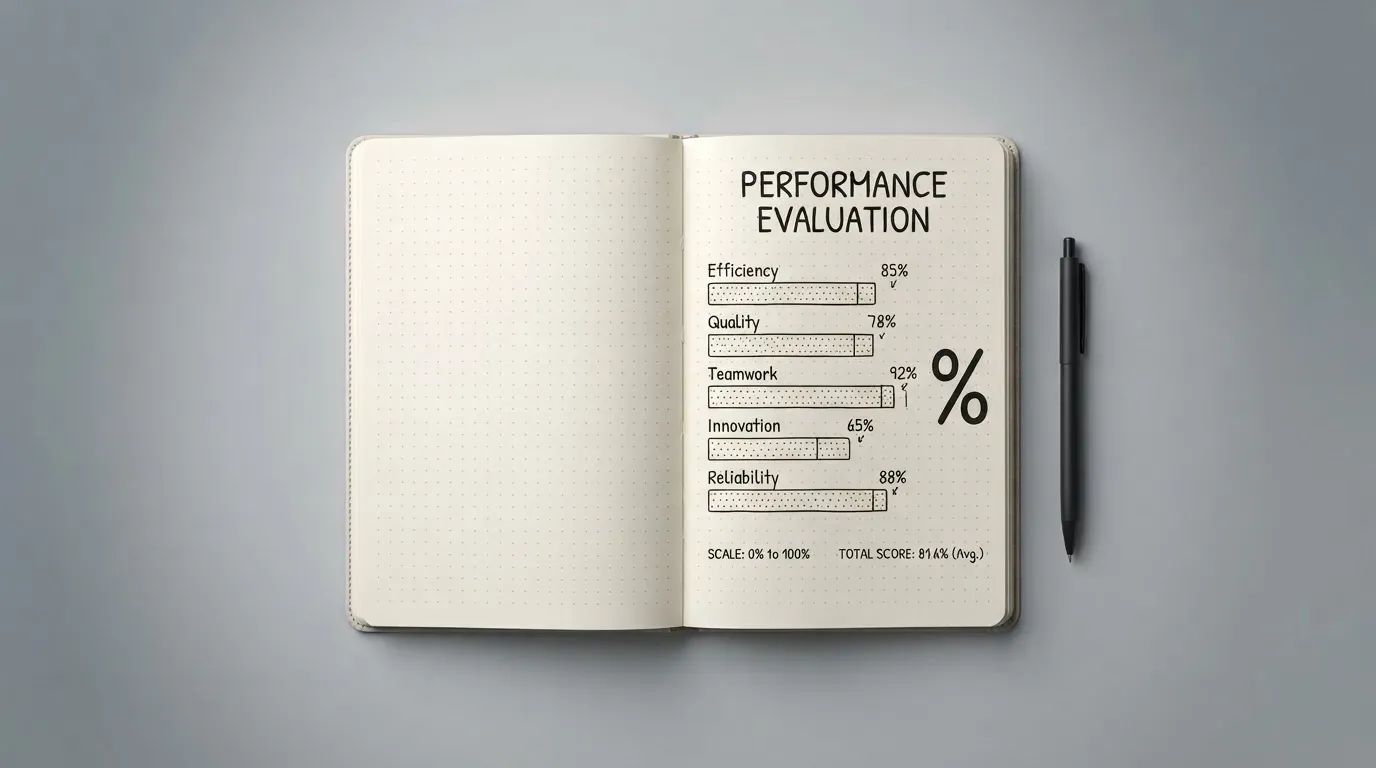
- Who can get it (25%): the breadth and clarity of country eligibility, whether the rule is by residence or citizenship, and how accessible sign-up is.
- Cost (25%): issuance fees, annual or monthly fees, FX markups, ATM fees, and any hidden spreads. Cards that charge nothing across the board score highest.
- Top-up options (15%): the number of supported tokens and networks, minimum deposit amounts, and whether you can fund from a self-custody wallet or only from an exchange account.
- Reliability and complaints (20%): licensing and regulatory standing, issuer transparency, Trustpilot and app store scores, and patterns in user complaints.
- Everyday use (15%): Apple Pay, Google Pay, virtual and physical availability, ATM access and limits, and whether the card works seamlessly for subscriptions, online shopping, and in-store purchases.
What can go wrong with a crypto card
Crypto cards carry a mix of standard payment-card risks and crypto-specific ones.
Regulatory and geographic risk: Cards can lose their issuing licence or be closed by the network. In November 2022, Visa terminated its global agreements with FTX and the FTX US debit card was wound down by its issuer. In 2018, Visa suspended WaveCrest in Europe, closing all WaveCrest-issued Visa programmes. Programme closures typically give a notice period, then stop spending and loading, then ask users to withdraw remaining balances. Restrictions on use location are common: the card may be valid in your country of issue but declined in sanctioned jurisdictions.
Custodial risk: With a custodial card, the provider holds your crypto or its fiat equivalent until you spend. Custodial platforms have a record of failures: Mt. Gox (about $350 million reported stolen 2011–2014), Coincheck (about $400 million, 2018), Ronin Network ($625 million, 2022). With a self-custody-linked card (MetaMask, Zeal, Bleap external-wallet), funds stay in your wallet until payment, but you bear sole responsibility for key loss, phishing, and clipboard-hijacking malware that swaps copied addresses.
KYC and account freezes: Accounts can be frozen or closed pending KYC documents or source-of-funds checks. In the EU, customer due diligence covers name, address, date of birth, nationality, and identity documentation, a sanctions check, establishing the purpose of the relationship, and determining whether the customer is a politically exposed person (PEP). If due diligence cannot be completed, the institution must refrain from the transaction or relationship. Nationality is screened separately from residence because sanctions and issuer risk policies often apply to citizenship and country of birth as well as to the address.
Stablecoin depeg: Stablecoins aim to hold a stable value but are not necessarily stable. TerraUSD collapsed in May 2022, and USDC temporarily lost its peg in March 2023 during the US banking crisis. Tether’s USDT and Circle’s USDC together hold about 90% of stablecoin market capitalisation, per the BIS (July 2025).
Irreversible transactions: Cryptocurrency transfers are typically irreversible. A deposit sent on a network the card provider does not support, or to an address of another network, can be lost or require manual support recovery with no guarantee. Stablecoin issuers (Tether) have frozen funds tied to illicit activity, so stablecoins are not censorship-proof either.
Merchant declines: Some merchants decline prepaid or foreign-issued cards because the BIN lookup reveals the card type and issuer country. Address Verification Service (AVS) is mainly offered in the US, Canada, and the UK and is generally unavailable for foreign-issued cards, which can cause declines. Declined authorisations may leave a hold on funds that can remain for several days (typically up to 7).
Blocked merchant categories: MCC 7995 covers gambling (casinos, betting, lotteries); many issuers block it on specific cards by policy rather than by law, and the blocked list varies by issuer. Xplace blocks gambling, wire transfers, money transfer services, and a named-merchant list including eToro, Skrill, Neteller, Wish.com, MoonPay, and Wise. Wirex excludes gambling from Cryptoback rewards. Solayer prohibits gambling, cash-like transactions (travelers checks, foreign currency, money orders, wire transfers, cryptocurrency). KAST prohibits weapons, controlled substances, Ponzi/pyramid/MLM, counterfeit goods, Darknet/Tor purchases, adult content, and pseudo-pharmaceuticals.
Tax implications: The IRS treats digital assets as property, so exchanging them for goods, services, dollars, or other digital assets generally produces a taxable gain or loss. For personal or investment holdings the result is a capital gain or loss, short-term if held one year or less. Gain is measured in local fiat currency using fair market value on the date of the transaction, so each card payment funded from crypto may be a separate disposal.
All crypto cards reviewed on the site
| Card | Score | Who it suits |
|---|---|---|
| Xplace | 7.7 / 10 | Solana users wanting stablecoin spending or credit |
| Bleap | 7.5 / 10 | EEA residents who want a zero-fee card with cashback |
| Tria | 7.3 / 10 | Holders of many tokens wanting tiered Visa |
| MetaMask | 7.1 / 10 | Self-custody wallet users in Europe and Latin America |
| Zebec | 7.1 / 10 | Users funding a card from 180+ tokens |
| Crypto.com | 7.0 / 10 | Residents of Europe and Singapore who want tiered crypto rewards |
| RedotPay | 6.9 / 10 | Crypto holders outside the restricted list who want virtual or plastic |
| Bitget | 6.8 / 10 | Self-custody wallet users who spend USDT and USDC |
| Bitrefill | 6.8 / 10 | EU residents who spend crypto and Lightning in euros |
| Rizon | 6.7 / 10 | Holders of Latin American or Asian passports |
| Wirex | 6.7 / 10 | Europe-based users who want one account for fiat and crypto |
| Bitpanda | 6.5 / 10 | Euro-area residents who spend crypto and metals in euros |
| COCA | 6.4 / 10 | Stablecoin holders who want high cashback on subscriptions |
| Coinbase | 6.4 / 10 | US residents who spend crypto and earn rewards |
| Kolo | 6.4 / 10 | Funding a virtual card with any crypto across many networks |
| Nexo | 6.3 / 10 | Europeans holding large crypto balances who want cashback |
| OKX | 6.2 / 10 | EU users holding USDC or USDG |
| SafePal | 6.2 / 10 | SafePal owners wanting a Swiss IBAN |
| Solayer | 6.2 / 10 | Stablecoin holders on Solana outside restricted countries |
| Avici | 6.1 / 10 | Residents of Latin America and the UAE holding USDC |
| KAST | 6.1 / 10 | Stablecoin holders spending USD balances across many networks |
| UPay | 6.1 / 10 | Wallet users topping up with BTC, ETH, USDT |
| Zeal | 6.1 / 10 | Self-custody wallet users spending EUR, USD, GBP stablecoins |
| Bybit | 6.0 / 10 | Exchange users in Georgia, Kazakhstan, Australia and Latin America |
| Kemy | 6.0 / 10 | Users needing many virtual cards on one account |
| Karta | 7.9 / 10 | Telegram users topping up with multi-network USDT |
| Solid | 7.8 / 10 | Self-custody users wanting a free virtual card |
| Tangem | 7.5 / 10 | Hardware wallet owners wanting a free virtual Visa |
| THORWallet | 7.5 / 10 | DeFi wallet users wanting a Mastercard and IBAN |
| Wayex | 7.5 / 10 | Stablecoin holders wanting a free digital Visa |
| PayPilot | 7.4 / 10 | Euro spenders topping up with crypto |
| Jupiter Global | 7.3 / 10 | Solana users spending USDC with 2% cashback |
| Meru | 7.3 / 10 | Dollar savers topping up with stablecoins |
| Oppi | 7.2 / 10 | Self-custody users wanting optional plastic |
| Trade Republic | 7.2 / 10 | EU residents spending crypto from a broker account |
| Krak | 7.1 / 10 | UK and EU residents wanting crypto cashback |
| Lava | 7.1 / 10 | Non-US holders who want bitcoin back on purchases |
| Plasma One | 7.1 / 10 | Dollar-account users who like cashback in XPL |
| Avalanche | 6.9 / 10 | Latin American and US residents holding USDC on Avalanche |
| BKJ | 6.9 / 10 | Stablecoin holders funding a card via Tron or Ethereum |
| CL | 6.9 / 10 | Ledger owners who spend crypto from a hardware wallet |
| Kazepay | 6.9 / 10 | Privacy-minded users topping up with USDT or USDC |
| Lydian | 6.9 / 10 | USDT or USDC holders wanting Visa |
| Tangem Pay | 6.9 / 10 | Tangem Wallet owners wanting a free virtual Visa |
| Bit2Me | 6.8 / 10 | EU residents who want Mastercard with high cashback |
| Etoro Money | 6.8 / 10 | EU and UK residents already investing on eToro |
| Exodus | 6.8 / 10 | Exodus wallet users in Europe and Latin America |
| Gate | 6.8 / 10 | Gate exchange users spending USDT, BTC or ETH |
| KeyOne | 6.8 / 10 | Georgia, Serbia, Kazakhstan residents wanting a free card |
| Oobit | 6.8 / 10 | Self-custody wallet users paying straight from their wallet |
| PEXX | 6.8 / 10 | Dollar and stablecoin holders needing high spending limits |
| ether.fi | 6.7 / 10 | Residents of listed countries wanting ETHFI cashback |
| Cashi | 6.6 / 10 | Stablecoin holders funding a card on many networks |
| El Dorado | 6.6 / 10 | Latin Americans funding a USD card with USDT |
| Onboard | 6.5 / 10 | Professionals paying abroad, free first card |
| Revolut | 6.5 / 10 | EU and UK customers who already use Revolut |
| Fizen | 6.4 / 10 | Users funding a USD virtual card with USDT |
| Karma | 6.4 / 10 | Self-custody users who want to keep their keys |
| xPortal | 6.4 / 10 | EEA residents paying with EGLD and other coins |
| Fuse | 6.3 / 10 | Americas residents funding a USD card with USDC |
| Utorg | 6.3 / 10 | EEA and Ukraine residents spending USDC |
| Coinspot | 6.2 / 10 | Australian residents spending crypto from CoinSpot wallets |
| Digitap | 6.2 / 10 | Free virtual card seekers wanting 100+ crypto assets |
| Exa | 6.2 / 10 | Self-custody users spending against crypto collateral |
| Pintopay | 6.1 / 10 | Telegram users wanting a quick card for USDT |
| Wenia | 6.1 / 10 | Colombia residents paying online from a crypto balance |
| Keytom | 6.0 / 10 | Users who fund a USD card with USDC |
| KuCard | 6.0 / 10 | EU residents who already use the KuCoin exchange |
| Littio | 6.0 / 10 | Colombian residents holding a dollar balance |
| Tevau | 6.0 / 10 | USDT holders wanting virtual or metal cards |
| Volet | 6.0 / 10 | Users wanting regional Mastercards from a fiat wallet |
| Bipa | 5.9 / 10 | Brazilian residents who want Bitcoin cashback in reais |
| CoinZoom | 5.9 / 10 | Holders of ZOOM who want tiered crypto rewards |
| Kite | 5.9 / 10 | Asia-Pacific residents spending USDC and USDT |
| Ledger Cl | 5.9 / 10 | Ledger owners spending crypto by card |
| SharPay | 5.9 / 10 | Non-EU residents wanting a Mastercard with Apple Pay |
| BingX | 5.8 / 10 | BingX exchange users who hold USDT |
| DigitalPurse | 5.8 / 10 | Quick anonymous-style virtual card funded with crypto |
| Fiwind | 5.8 / 10 | Argentines and Brazilians paying from crypto balances |
| Rebind | 5.8 / 10 | Euro savers wanting yield and Visa |
| Uphold | 5.8 / 10 | US residents spending 300+ assets, XRP rewards |
| Xapo Bank | 5.8 / 10 | Premium banking clients holding USD, EUR and Bitcoin |
| Binance | 5.7 / 10 | Brazilian residents who keep their crypto on Binance |
| Trustee Plus | 5.7 / 10 | Ukrainians topping up a virtual USD card with stablecoins |
| Brighty | 5.6 / 10 | EEA residents who want a crypto IBAN and virtual card |
| Foxbit | 5.6 / 10 | Foxbit clients in Brazil spending crypto in reais |
| MEXC | 5.6 / 10 | USDT holders in Asia wanting cashback |
| SolCard | 5.6 / 10 | Solana users topping up a USD card |
| Tap | 5.6 / 10 | Users wanting crypto, currency accounts and cashback |
| Belo | 5.5 / 10 | Argentine residents with an Argentine ID |
| CoinJar | 5.5 / 10 | Australian residents paying with crypto in AUD |
| Kripicard | 5.5 / 10 | Users funding virtual cards with almost any coin |
| PokePay | 5.4 / 10 | Hong Kong residents who top up with USDT |
| Bitunix | 5.3 / 10 | Bitunix exchange users who spend USDT online |
| Phantom Cash | 5.3 / 10 | US residents who hold dollar stablecoins in Phantom |
| Tonhub | 5.3 / 10 | EU residents spending TON and USDC |
| MaxSwap | 5.2 / 10 | Fast no-paperwork virtual card paid with many coins |
| FlexCard | 5.1 / 10 | Media buyers paying for ads and SaaS |
| Trustee | 5.1 / 10 | EU users wanting a virtual USD card |
| Bitsa | 5.0 / 10 | EU residents who want a prepaid Visa with an IBAN |
| LinkPay | 5.0 / 10 | Non-Russian advertisers who need many virtual cards |
| EMCD | 4.9 / 10 | Existing EMCD users who top up with USDT |
| Gemini | 4.9 / 10 | US residents wanting crypto credit-card rewards |
| Busha | 4.8 / 10 | Nigerian, Ghanaian and Kenyan residents spending USDT online |
| Decard | 4.8 / 10 | Those wanting a premium metal credit card repaid in USDT |
| Pionex | 4.8 / 10 | Pionex trading-bot users who spend USDT balances |
| Cryptomus | 4.7 / 10 | Cryptomus users who pay online with USDT |
| HPX | 4.7 / 10 | HPX wallet users wanting a USD card |
| Kontigo | 4.7 / 10 | Latin American users saving and spending in USDC |
| Tegro | 4.7 / 10 | USDT TRC-20 holders wanting a no-KYC card |
| HexaCard | 4.6 / 10 | Georgia, Turkey and Canada residents needing quick cards |
| Slash | 4.6 / 10 | Japan residents spending USDC in yen |
| WantToPay | 4.5 / 10 | Telegram users paying foreign services by virtual card |
| Shakepay | 4.3 / 10 | Canadian residents wanting bitcoin cashback |
| Bing | 4.2 / 10 | Those who want a virtual card without KYC |
| Worldwide | 4.2 / 10 | Users topping up via SBP |
| Trastra | 4.1 / 10 | EEA residents funding a euro card from Mover |
Frequently asked questions
What is a crypto card?
A crypto card is a payment card (Visa or Mastercard) that lets you spend cryptocurrency or stablecoins at the point of sale or online. Some cards draw on a stored balance that you top up by converting crypto to fiat; others spend directly from a self-custody wallet at the moment of payment. Most behave like prepaid cards: crypto is converted and loaded as a fiat balance before spending.
Are crypto cards worth it?
A crypto card is worth it if you hold crypto and want to spend it without manually selling and transferring to a bank, if you need a card you can get without a traditional bank account, or if you want cashback paid in crypto. The main downsides are country restrictions, KYC requirements, fees on conversion and FX, and the risk of account freezes during compliance checks. If you already have a bank card and rarely use crypto for spending, the fees may not justify the hassle.
Which crypto Visa card is best?
It depends on where you live and what you want to spend. Xplace is the easiest to get globally (160+ Visa-accepting countries, unofficial 162 accessible). Bitrefill is the most reliable in the EU (Trustpilot 4.5/5). Tria accepts the most tokens (1,000+ across nine networks). Crypto.com has the strongest tiered rewards in Europe and Singapore. Coinbase is the only option in most US states.
What is the best crypto debit card?
A crypto debit card draws on a balance you hold in crypto or stablecoins, converting at the point of payment. The best overall is Bleap: no issuance, monthly, or maintenance fee; 0% FX; free ATM withdrawals up to EUR 400/month; and up to 20% cashback in USDC on select categories. MetaMask is the best for self-custody users who want to spend directly from their wallet without loading a balance.
What is the best crypto virtual card?
A virtual card exists only in app form and is useful for online payments, subscriptions, and one-time use. The best are Tria (1,000+ tokens, gasless on most chains), Zebec (Silver single-use cards, Carbon reloadable), and RedotPay (virtual for USD 10 with Apple Pay and Google Pay). Solid and Tangem both offer free virtual Visa cards for self-custody wallet users.
Do any crypto cards have no fees?
Bleap has no issuance, monthly, maintenance, subscription, or minimum balance fee, and charges 0% FX on international transactions. Bitpanda has no opening, monthly, or first-delivery fee, though it charges 1% or EUR 2 minimum on ATM withdrawals. Kemy is the opposite: $15 issuance and $2/month for virtual, with a 3.5% plus $1 transaction fee. No card is truly free across all use cases, but several have zero annual cost if you avoid ATM and FX markups.
Which crypto card has the best cashback?
Bleap leads with up to 20% in USDC on streaming, gaming, and AI subscriptions; 3% on rides and food delivery; 2% on restaurants and supermarkets; 1% on everything else. COCA offers up to 8% on card spend and up to 50% on subscriptions like Netflix and Spotify. Crypto.com scales by CRO lockup, reaching 4.5% on Obsidian. MetaMask Metal offers headline 3% (limited to the first $10,000 spent, then drops to 1%).
Can I use a crypto card with Apple Pay?
Yes. Xplace, Bleap, Tria, MetaMask, Crypto.com, KAST, and many others support Apple Pay and Google Pay. Bitrefill supports Google Pay; Apple Pay is “coming soon.” Some cards restrict wallet linking to virtual cards only. The wallet replaces the card number with a device-specific token, so each payment uses a one-time dynamic security code; the card number itself is never shared with the merchant or stored on Apple servers.
Are crypto cards safe?
Crypto cards carry the same risks as any prepaid or debit card plus crypto-specific risks: custodial platform failures, stablecoin depegs, irreversible transactions, and account freezes during KYC. Typical safeguards are app-based 2FA, instant card freeze, spending limits, 3-D Secure confirmation, and tokenised mobile wallets. Self-custody-linked cards (MetaMask, Zeal, Bleap external-wallet) keep funds in your wallet until payment, removing custodial risk but putting the responsibility for key security on you. Crypto cards are not anonymous and not a way around identity checks, sanctions, or country rules.
Which crypto card is best for 2026?
The top three for 2026 are Xplace (7.7/10, broadest availability and Solana-native), Bleap (7.5/10, zero-fee EEA card with 20% cashback), and Tria (7.3/10, 1,000+ tokens across nine networks). The best card for you depends on where you live, which tokens you hold, and what you want to spend on. The ranking above is based on five weighted criteria: who can get it 25%, cost 25%, top-up options 15%, reliability and complaints 20%, and everyday use 15%.
Exchange cards – cryptocardsranked
Content created by the «cryptocardsranked» team